

Introduction
In tropical regions, the availability of a reliable power supply is crucial for various sectors such as agriculture, healthcare, manufacturing, and tourism. However, https://www.lkpowerplant.com/160kw-400kw/ to factors such as extreme weather conditions, unreliable grid infrastructure, and frequent power outages, the need for alternative sources of power generation becomes imperative. Diesel generators have long been a popular choice for providing backup power in these regions due to their reliability, efficiency, and ease of maintenance. This article explores the benefits of diesel generators for tropical regions, their key features, maintenance requirements, and environmental impact.
Benefits of Diesel Generators in Tropical Regions
1. Reliability: One of the primary reasons why diesel generators are preferred in tropical regions is their reliability. These generators can provide continuous power supply without interruptions, making them ideal for critical applications such as hospitals, data centers, and telecommunications facilities. In areas prone to extreme weather events such as hurricanes or monsoons, diesel generators offer a dependable source of backup power.
2. Efficiency: Diesel generators are known for their high efficiency in converting fuel into electricity. They have a higher energy density compared to other fuel types, which means they can generate more power per unit of fuel consumed. This efficiency is particularly beneficial in tropical regions where fuel availability may be limited or transportation costs are high.
3. Quick Start-Up: Diesel generators have the advantage of quick start-up times, allowing them to provide power almost instantaneously during grid outages. This feature is essential in tropical regions where power outages can occur frequently due to storms, equipment failures, or grid instability. The ability to restore power quickly can prevent disruptions to essential services and operations.
4. Cost-Effectiveness: While the initial investment in a diesel generator may be higher compared to other types of generators, the overall cost-effectiveness of diesel generators over their lifespan is significant. Diesel fuel is generally more affordable and readily available in tropical regions, making it a cost-effective option for long-term power generation. Additionally, diesel generators have lower maintenance requirements and longer service lives, reducing operational costs over time.
5. Versatility: Diesel generators are versatile and can be used in a wide range of applications, from small residential backup systems to large commercial installations. They can be easily integrated into existing power systems or used as standalone units, providing flexibility in meeting varying power demands in tropical regions. Their portability also makes them suitable for remote locations or temporary power needs.
Key Features of Diesel Generators
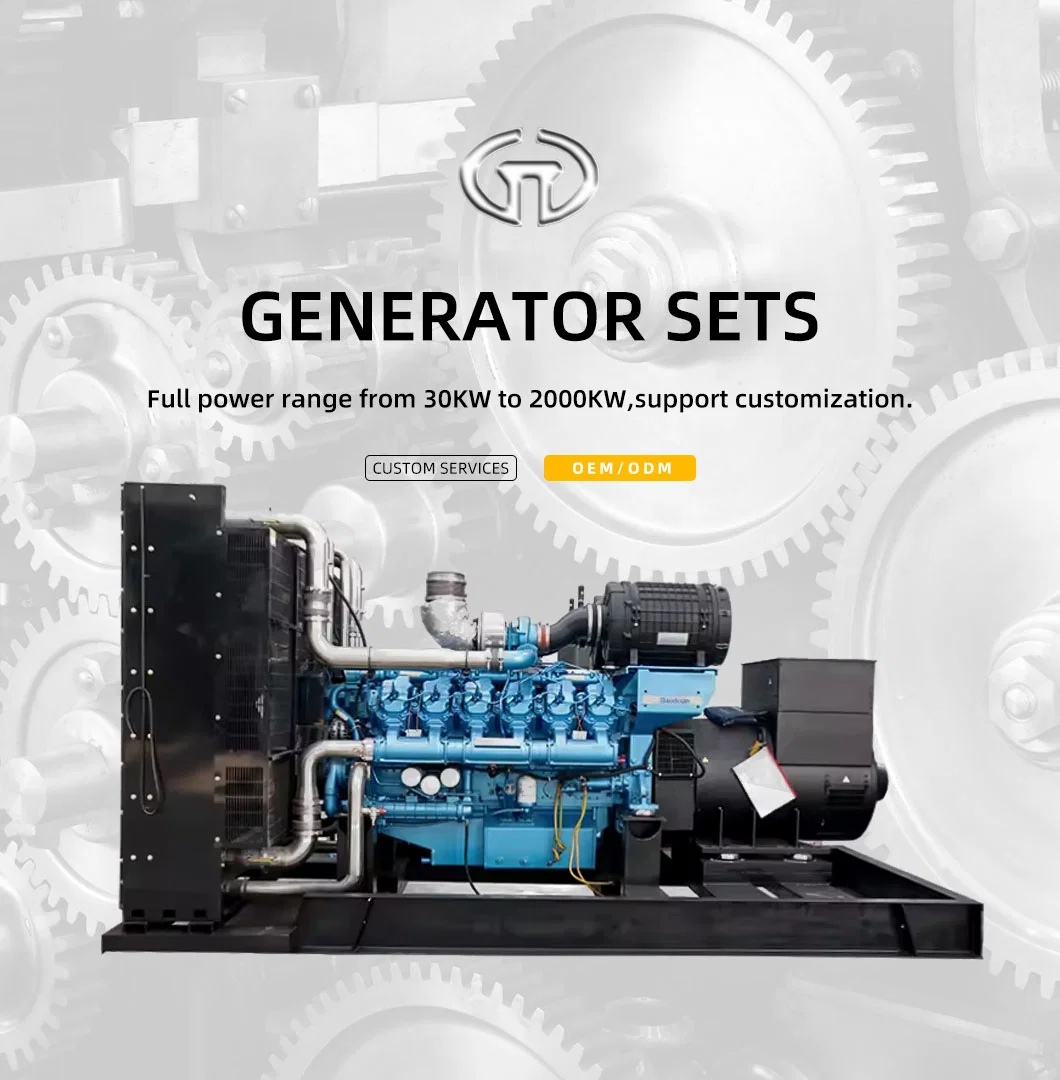
1. Engine: The heart of a diesel generator is its engine, which converts the chemical energy in diesel fuel into mechanical energy to drive the generator. Diesel engines are known for their durability, reliability, and high torque output, making them well-suited for continuous and heavy-duty operation in tropical climates. Modern diesel engines are designed to meet stringent emission standards while delivering optimal performance and fuel efficiency.
2. Alternator: The alternator is responsible for converting the mechanical energy from the engine into electrical energy. It consists of a rotor and stator that produce an alternating current (AC) output. The quality and capacity of the alternator determine the generator's power output and voltage regulation. High-quality alternators ensure stable and reliable power supply, especially in tropical regions where voltage fluctuations are common.
3. Cooling System: Diesel generators require an efficient cooling system to dissipate the heat generated during operation. In tropical climates with high ambient temperatures, proper cooling is essential to prevent overheating and ensure optimal performance. Air-cooled and liquid-cooled systems are the two main types of cooling systems used in diesel generators, with liquid-cooled systems offering better temperature control and efficiency.
4. Control Panel: The control panel is the brain of the diesel generator, monitoring and controlling its operation to ensure safe and reliable performance. It displays vital information such as voltage, frequency, fuel level, and operating hours, allowing users to monitor the generator's status in real-time. Advanced control panels may include features such as remote monitoring, automatic start/stop functions, and load management capabilities for enhanced control and efficiency.
5. Fuel System: Diesel generators rely on a fuel system to supply diesel fuel to the engine for combustion. The fuel system typically includes a fuel tank, fuel pump, filters, and injectors that work together to deliver clean and consistent fuel to the engine. Proper maintenance of the fuel system is essential to prevent fuel contamination, ensure efficient combustion, and prolong the generator's lifespan in tropical environments.
Maintenance Requirements for Diesel Generators in Tropical Regions
Proper maintenance is crucial to ensure the reliable performance and longevity of diesel generators in tropical regions. The following are key maintenance requirements that should be followed to keep diesel generators in optimal condition:
1. Regular Inspections: Routine visual inspections of the generator, engine, alternator, cooling system, and fuel system are essential to identify any signs of wear, damage, or leaks. Inspections should be conducted at scheduled intervals to detect potential issues early and prevent costly repairs or downtime.
2. Oil and Filter Changes: Changing the engine oil and filters at recommended intervals is vital to maintain proper lubrication and prevent engine wear. Tropical climates with high temperatures and humidity can accelerate oil degradation, making regular oil changes even more critical for diesel generators operating in these regions.
3. Cooling System Maintenance: The cooling system should be inspected and serviced regularly to ensure proper cooling performance and prevent overheating. This includes checking coolant levels, inspecting hoses and connections, cleaning radiators, and replacing coolant as needed to maintain optimal engine temperature.
4. Fuel Quality Management: Diesel fuel quality can deteriorate over time due to factors such as contamination, water ingress, and microbial growth. Regular fuel testing and treatment are essential to ensure clean and stable fuel supply to the generator. Fuel filters should also be inspected and replaced as part of the maintenance routine.
5. Battery Maintenance: Diesel generators rely on batteries to start the engine and power the control systems. Regular battery inspections, cleaning, and testing are necessary to ensure proper operation and prevent unexpected failures. In tropical regions with high temperatures, battery performance can be affected, requiring additional attention to battery maintenance.
6. Load Testing: Periodic load testing of the diesel generator is recommended to verify its capacity and performance under varying loads. Load testing helps identify any issues with the generator's output, voltage regulation, and response time, allowing for adjustments or repairs as needed to maintain reliable power supply.
Environmental Impact of Diesel Generators in Tropical Regions
While diesel generators offer numerous benefits for power generation in tropical regions, they also have environmental implications that need to be considered. The combustion of diesel fuel produces emissions such as nitrogen oxides (NOx), sulfur dioxide (SO2), particulate matter, and carbon monoxide (CO) that contribute to air pollution and climate change. In tropical regions with sensitive ecosystems and high biodiversity, the impact of diesel generator emissions on air quality and public health can be significant.
To mitigate the environmental impact of diesel generators in tropical regions, the following measures can be implemented:
1. Emission Control Technologies: Advanced emission control technologies such as diesel particulate filters (DPF), selective catalytic reduction (SCR), and exhaust gas recirculation (EGR) can be installed on diesel generators to reduce harmful emissions. These technologies help minimize the release of pollutants into the atmosphere and comply with environmental regulations.
2. Fuel Quality Improvement: Using low-sulfur diesel fuel and biofuels with lower carbon content can help reduce emissions and improve air quality in tropical regions. Cleaner fuel options are available that produce fewer pollutants when burned in diesel engines, resulting in lower emissions of harmful gases and particulates.
3. Energy Efficiency Measures: Improving the energy efficiency of diesel generators through better engine design, fuel management, and load optimization can help reduce fuel consumption and emissions. Regular maintenance, proper sizing of generators, and efficient operation practices can contribute to lower environmental impact and cost savings over time.
4. Renewable Energy Integration: In addition to diesel generators, integrating renewable energy sources such as solar, wind, or hydroelectric power can help reduce reliance on fossil fuels and lower emissions in tropical regions. Hybrid systems that combine diesel generators with renewable energy technologies offer a sustainable and environmentally friendly solution for reliable power generation.
Conclusion
Diesel generators play a vital role in ensuring reliable power supply in tropical regions where grid instability, extreme weather events, and power outages are common challenges. Their reliability, efficiency, quick start-up, and cost-effectiveness make them a preferred choice for backup power generation in critical sectors such as healthcare, agriculture, and telecommunications. By following proper maintenance practices, implementing emission control technologies, and exploring renewable energy options, the environmental impact of diesel generators in tropical regions can be minimized. As technology continues to advance, diesel generators are expected to evolve with improved efficiency, reduced emissions, and enhanced performance to meet the growing energy needs of tropical regions.